









































Trusted globally
Used by companies running forced labor due diligence
From first supplier screening to ongoing engagement, teams rely on Worldfavor to run forced labor due diligence every cycle.
Your approach
Turn the forced labour ban into a working process
You do not need a separate forced labor program. Worldfavor extends the due diligence process you already run, from first risk signal to the evidence trail an authority would ask to see.


Compliance workflow
From risk signal to evidence trail
Four steps take you from identifying exposure to holding a record an authority would accept.
What your team gets
Everything a forced labor due diligence process needs, in one place
From first supplier screening to the evidence trail an authority would ask for, your team runs it from one system.
Your high-risk suppliers, identified before you reach out
You start from a ranked list, not a spreadsheet, so your first week of work goes where the risk is.
Less time spent reviewing each supplier
You read structured answers rather than chasing attachments, so each supplier takes minutes, not hours.
One supplier touchpoint that scales each cycle
You widen the scope year after year on the same process, without rebuilding it or adding headcount.

text
"We've done some risk analysis and started looking further into those suppliers that we regard necessary."

Linnéa Hård
Sustainability Manager


Requirements
What the EU Forced Labour Regulation actually requires
Scope, requirements and obligations, in the order an authority would check them.
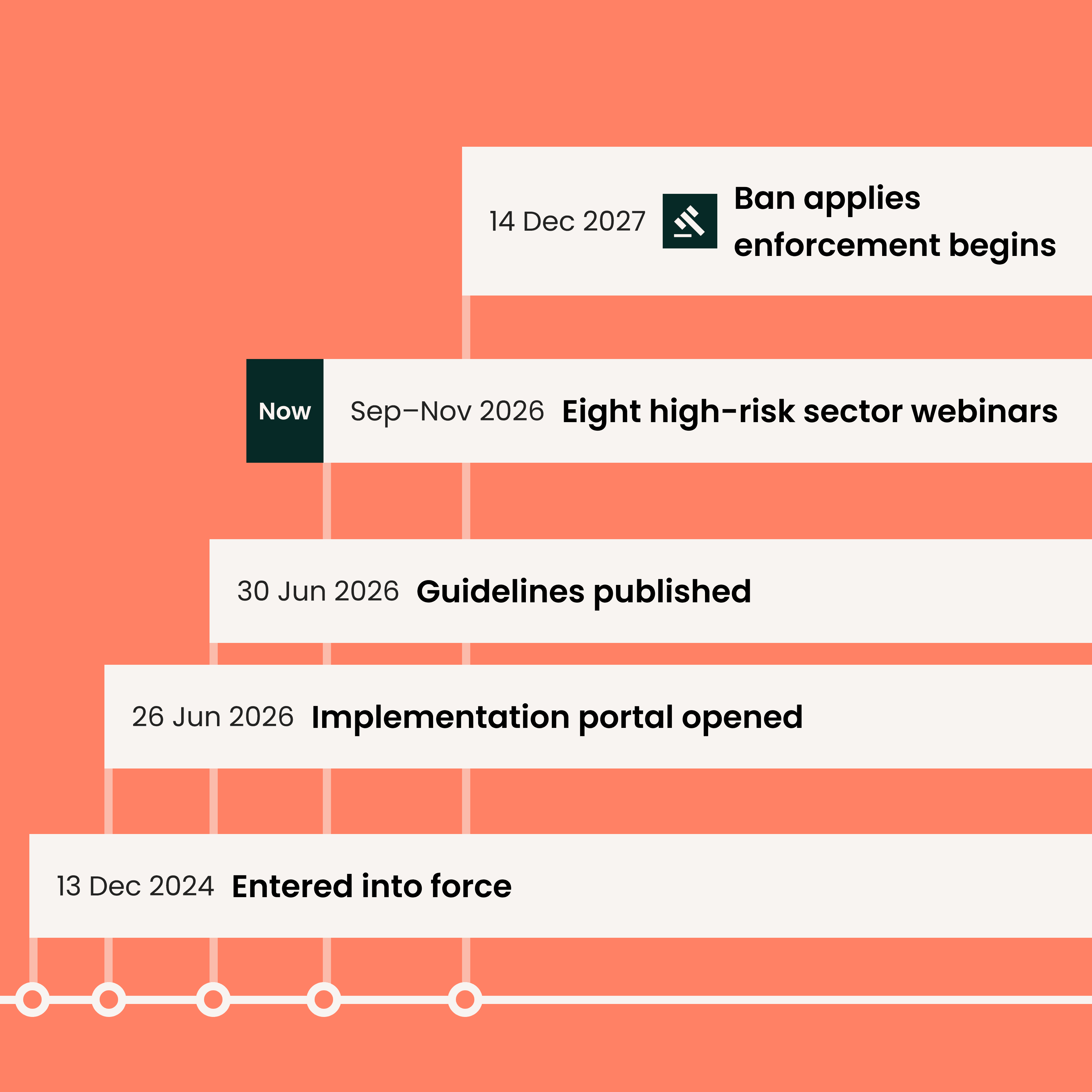
Implementations dates
13 Dec 2024
Regulation (EU) 2024/3015 entered into force
30 Jun 2026
Commission opened its implementation portal
3 Sep 2026
Commission published implementation guidelines
Sep to Nov 2026
Six sector webinars and two general sessions
14 Dec 2027
The ban applies and enforcement begins
Which companies are affected by EU Forced Labor ( EUFLR )?
How your team prepares for EUFLR
What this means in practice
Once a case is opened, four things could follow:
Investigation within a set timeframe
Withdrawal from the EU market
Disposal of goods made with forced labor
Remediation before goods can re-enter the market


The system
Infrastructure for structured due diligence
Worldfavor centralizes ESG data, workflows, and reporting so you can manage EUFLR requirements in one system.
Centralized ESG data
Keep supplier data, assessments, and actions in one place
Ready-to-use due diligence workflows
Follow a structured process without building it yourself
Expert-driven frameworks
Use continuously updated ESG content aligned with regulation
AI-supported risk screening
Identify risks early and reduce manual preparation work
Enterprise readiness
Run compliance you can audit and repeat each cycle
Expert-maintained content, API integrations, and documented controls. Your team spends its time on supplier decisions, not on administration.